

How to Maximise Space in Retail Stores Using Smart Architectural Design
Retail space has become more competitive than ever. As e-commerce continues to influence how people shop, physical retail environments are no longer judged solely on product range or price. Customers increasingly expect spaces that feel engaging, intuitive and memorable—places that offer an experience worth leaving home for.
For many retailers across Edinburgh, this challenge is intensified by compact, older or unusually shaped high-street units. These buildings often come with structural constraints, inefficient layouts or limited back-of-house space. In this context, maximising space is not about adding more shelving - it is about using architectural design to shape how people move, feel and engage within a space.
As commercial architects, we understand that smart spatial planning directly influences customer behaviour, dwell time and operational efficiency. At Matson Mourier, we specialise in commercial and retail design across Edinburgh and Scotland, helping retailers unlock the full potential of their space through thoughtful, experience-led architectural solutions.
Why Space Matters More Than Ever in Modern Retail
Modern retail is increasingly defined by hybrid environments, where physical stores must balance product display with experience. Customers are no longer simply browsing for goods; they are engaging with brands, environments and atmospheres. This shift places far greater importance on flexible layouts, intuitive navigation and spatial clarity.
Experiential retail is not about novelty for its own sake. Architecturally, it is about designing environments that people remember—spaces that feel comfortable, engaging and easy to understand. When customers feel at ease, they stay longer, explore more and are more likely to return.
Accessibility expectations have also risen, making inclusive design fundamental to modern retail architecture. Clear circulation, logical zoning and generous proportions are not just regulatory requirements; they are key components of a positive customer experience.
A commercial architect brings these elements together—aligning layout, lighting, circulation and storage to improve both spatial performance and emotional response. This is where considered commercial architect services add measurable value to retail environments.
Experiential Retail Precedents: What Successful Brands Get Right
Leading retail brands demonstrate how architectural design can transform a store into a destination. Rather than maximising stock density, these spaces prioritise spatial clarity, sensory engagement and customer comfort—principles that apply regardless of brand size or budget.
Glossier: Architecture as Brand Experience
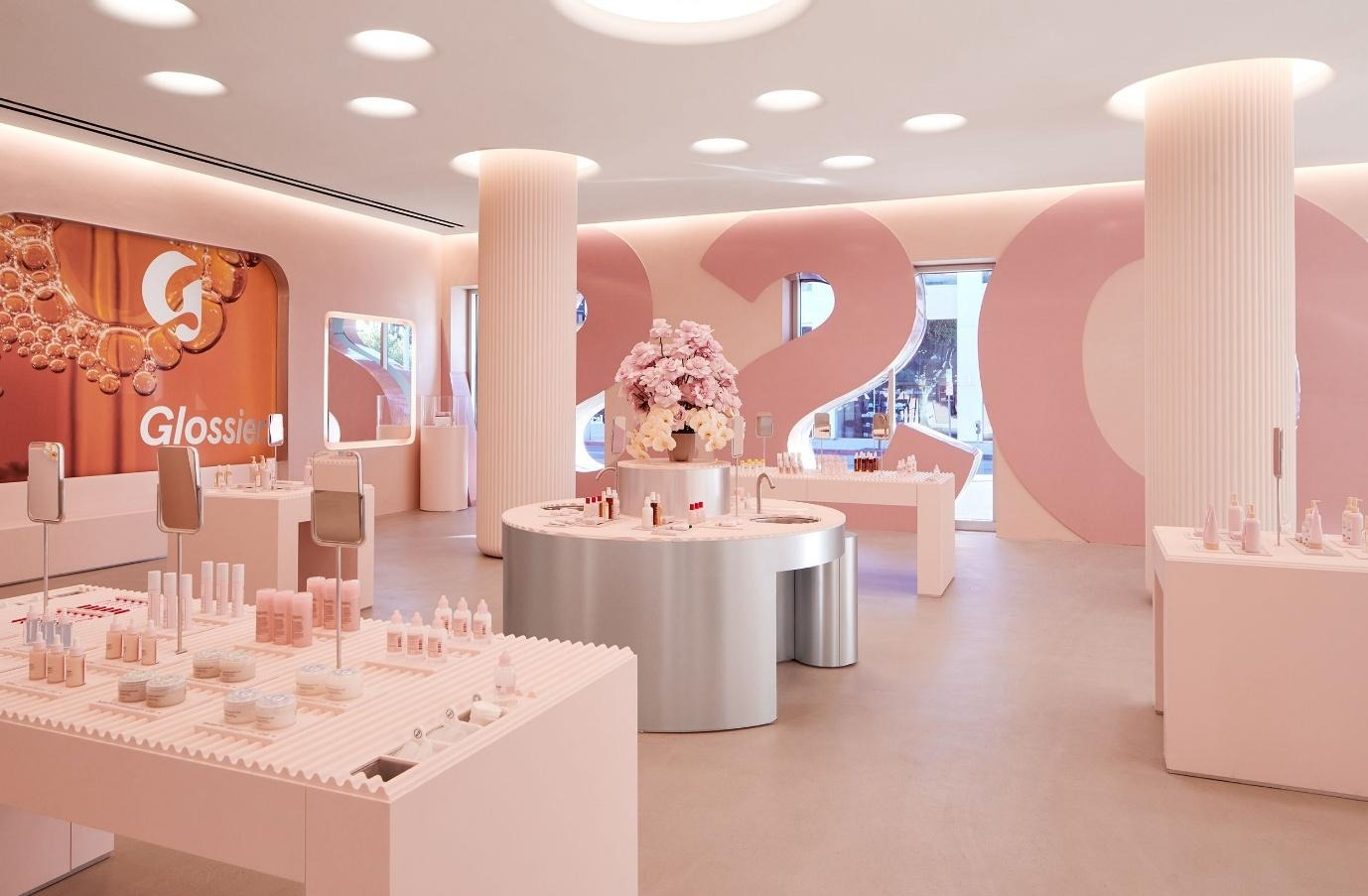
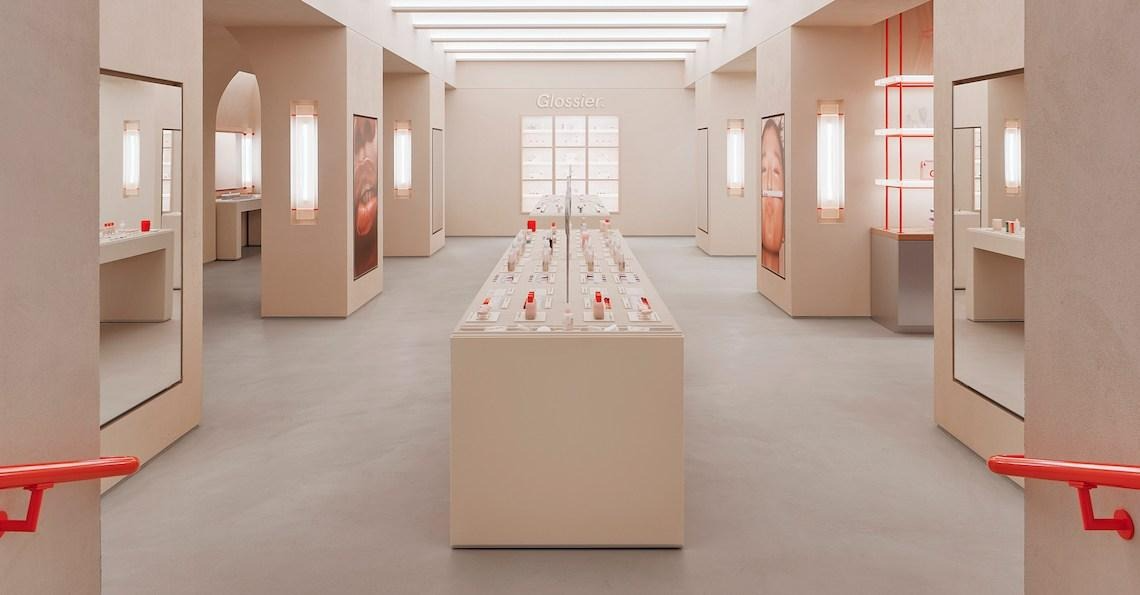
Glossier’s physical retail spaces are widely referenced for their calm, gallery-like environments. Architecturally, these stores rely on generous circulation space, soft material palettes and clearly defined zones that encourage exploration without pressure.
Products are displayed as curated objects rather than high-density stock, allowing the architecture to reinforce brand identity through proportion, light and material rather than excessive signage. This approach demonstrates how reducing visual clutter and prioritising customer movement can significantly enhance dwell time and emotional connection.
LUSH: Multi-Sensory Retail Design in Practice
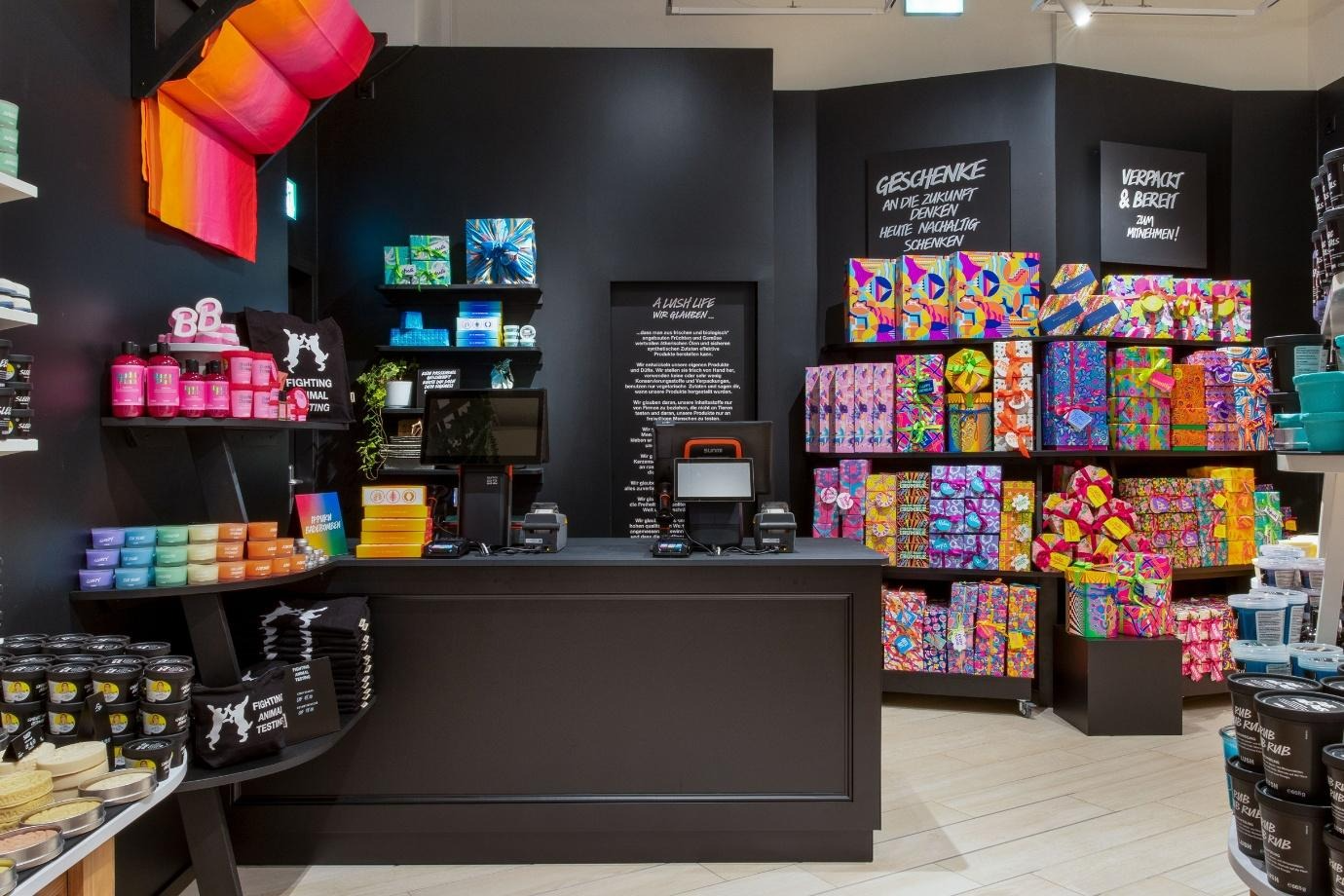
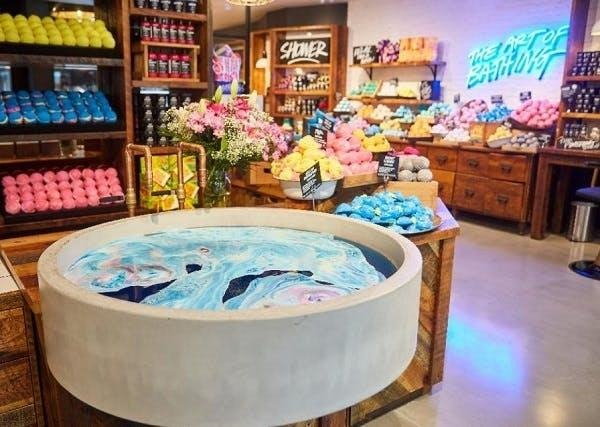
LUSH stores provide strong examples of multi-sensory retail design, often within compact high-street units. From an architectural perspective, these spaces combine open layouts with clear zoning, allowing customers to engage through sight, sound and scent without disrupting circulation.
Despite high footfall and product density, LUSH demonstrates how spatial hierarchy and purposeful organisation can support both operational efficiency and a distinctive in-store experience.
ORAC Showroom: Retail as Spatial Narrative
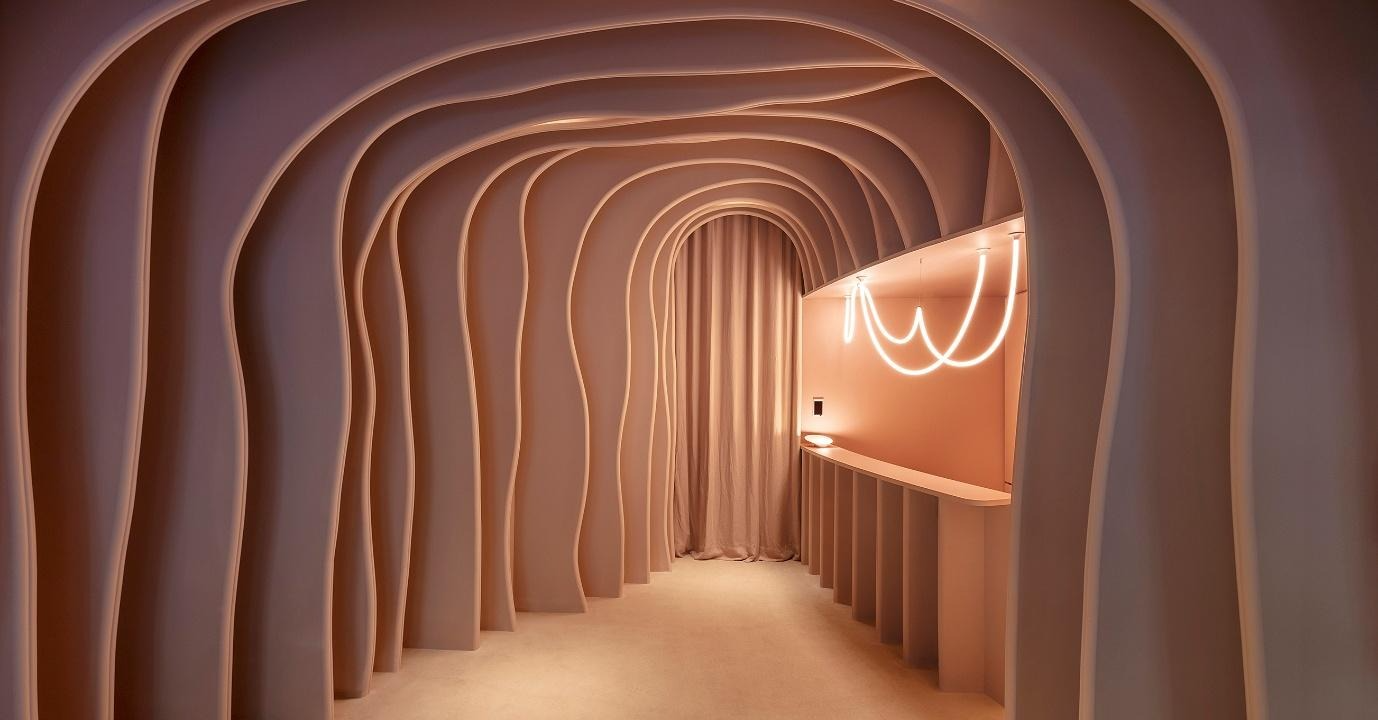
The ORAC showroom offers a more architectural interpretation of experiential retail. Rather than relying on shelving, products are integrated directly into walls, ceilings and transitions, allowing visitors to experience them in context.
This model highlights how architecture itself becomes the display, reinforcing the idea that successful retail environments are designed from the structure outward—not applied as a superficial fit-out. For commercial architects, this underscores the value of embedding retail strategy into the fabric of a space.
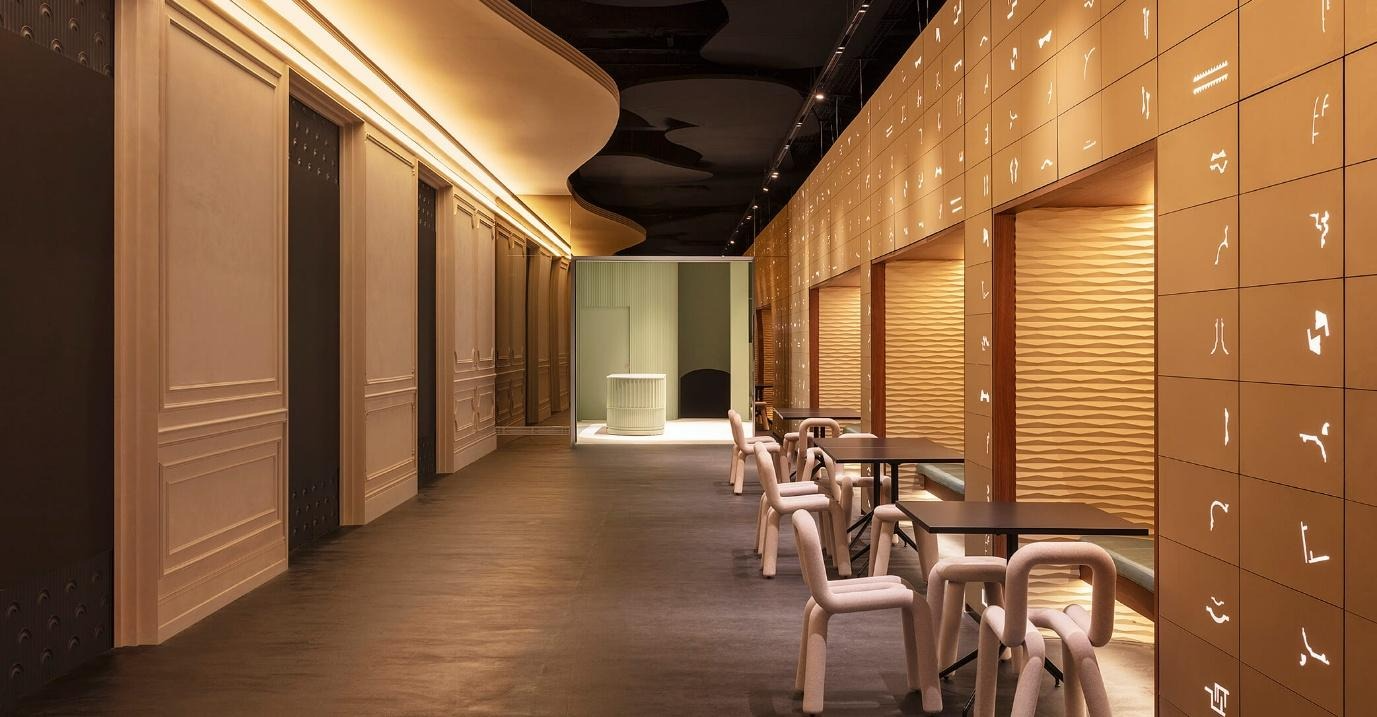
These examples are referenced as industry precedents to illustrate architectural approaches to experiential retail design.
Understanding Customer Flow – The Foundation of Retail Space Planning
Successful experiential retail environments begin with an understanding of how customers naturally move through a shop. Poor circulation creates bottlenecks and confusion, while clear, intuitive movement encourages browsing and discovery.
A critical architectural element is the decompression zone at the entrance. This open, uncluttered space allows customers to transition from the street into the retail environment. When shoppers are not immediately confronted with dense displays, they are more receptive to the experience that follows.
Layout strategy plays a central role in shaping behaviour:
Grid layouts suit high-volume retail but must be carefully detailed to avoid rigidity.
Loop layouts guide customers through a complete spatial journey.
Free-flow layouts encourage exploration and work well for experiential retail.
Hybrid layouts often provide the best balance for compact or irregular units.
As commercial architects, we develop layout strategies that respond to both building constraints and desired customer experience, ensuring flow and function are designed into the architecture itself.
Using Architectural Design to Create Space in Any Retail Unit
Strategic Wall Placement and Partitioning
Over-segmentation is one of the most common causes of poor retail environments. Architectural design focuses on opening up sightlines using partial partitions, glazed screens or changes in ceiling height to define zones without closing them off.
Optimised Circulation Routes
Clear circulation routes support accessibility, comfort and commercial performance. Architects ensure minimum aisle widths are met while subtly guiding customers toward key zones.
Integrating Storage into Structural Elements
Built-in shelving, concealed stock areas and multifunctional joinery reduce clutter and free up floor space, supporting calmer and more engaging retail environments.
Maximising Vertical Height for Display & Storage
Vertical merchandising draws the eye upward, balancing compact floor plates and enhancing perceived volume.
Structural Adjustments That Add Usable Space
Removing non-load-bearing walls or improving back-of-house layouts can significantly increase usable space. As commercial architects Edinburgh, we regularly identify opportunities where modest interventions deliver substantial spatial gains.
The Power of Lighting and Visual Design to Make Spaces Feel Larger
Architectural lighting design plays a critical role in how retail spaces are perceived. Even, well-distributed lighting eliminates shadows and creates a welcoming atmosphere, while accent lighting highlights key products and features.
Materials such as mirrors, reflective finishes and light-toned surfaces further enhance the illusion of space. Together, these elements support both spatial efficiency and experiential quality—key outcomes of well-executed commercial fit-outs by experienced commercial fit out architects.
Smart Technology & Flexible Fixtures That Support Better Space Usage
Modular shelving, adjustable display systems and digital signage allow retail spaces to adapt without disruptive refits. In more advanced environments, footfall tracking and POS data can inform layout refinements over time.
This adaptability allows commercial architect services to deliver spaces that evolve alongside customer behaviour.
Why Working With a Commercial Architect Makes the Biggest Difference
Experiential retail requires more than surface-level design. A commercial architect provides strategic oversight, from early feasibility through to delivery, ensuring that space, structure and experience work together.
As commercial architects in Edinburgh, Matson Mourier offers:
Space audits and feasibility studies
Circulation and customer journey optimisation
Structural assessments
Brand-led spatial design
Compliance with regulations and accessibility standards
Coordination of fit-out, lighting and contractors
Retail success today is shaped as much by experience as efficiency. Thoughtful architectural design maximises space, enhances customer journeys and creates retail environments people remember.
Matson Mourier helps retailers design efficient, visually engaging spaces that work hard for their business. If you’re upgrading your retail space or planning a commercial fit-out in Edinburgh, our team of commercial architects can help you design a layout that maximises space, improves flow and delivers a memorable customer experience.

